Projects
Practical analyses addressing a variety of problems or questions, illustrating a selection of my interests. Some are a small part of larger research projects; others are exploratory, curiosity-driven, or simply for fun
Single-Molecule Genomics
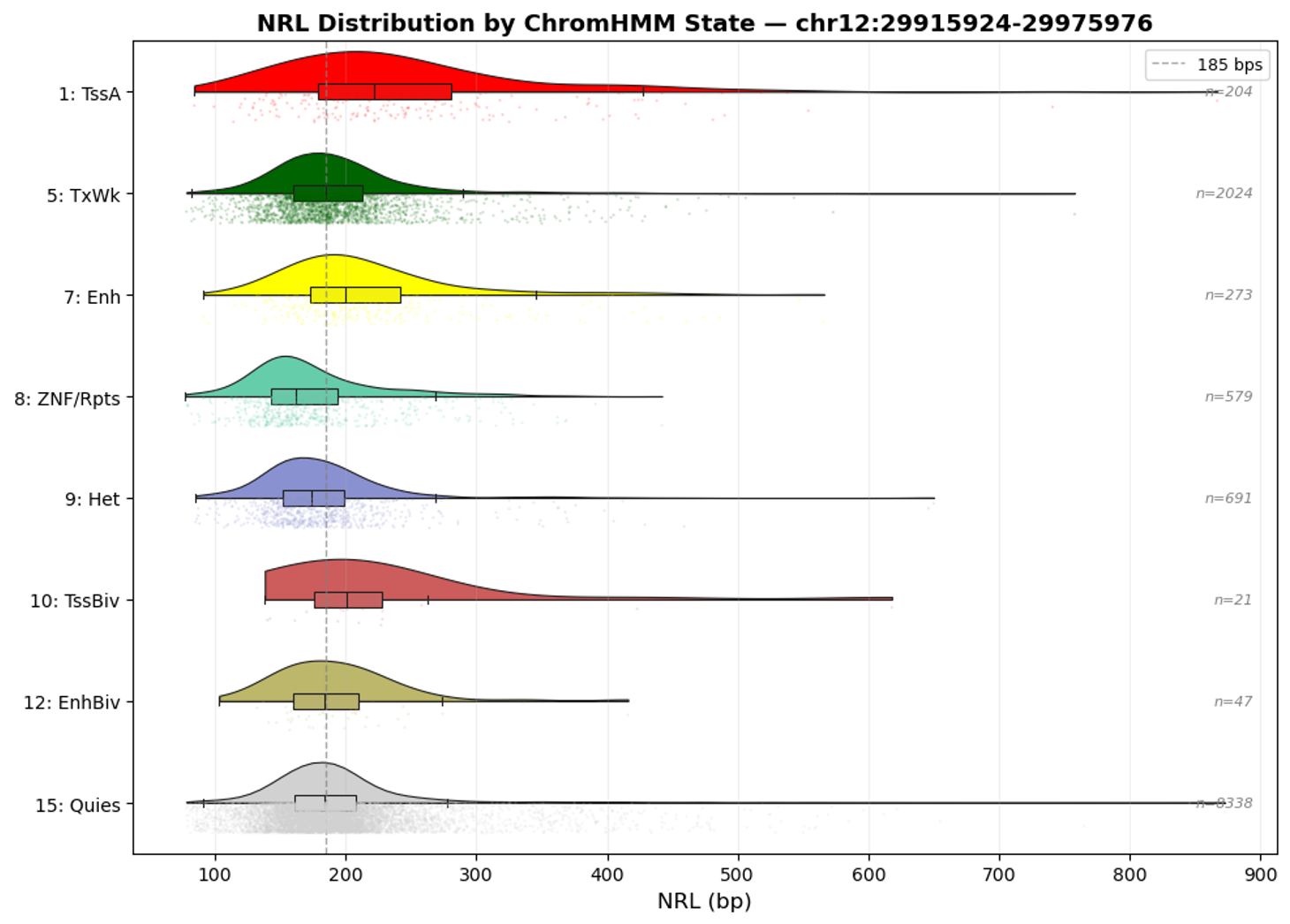
Nucleosome repeat length in chromatin states: how does it differ between active promoters, enhancers, heterochromatin and quiescent regions? This and other questions are explored in single-molecule genomics analyses, using ES cell data from the Gene Regulatory Defects in Disease Group at Exeter.
Silk Protein Physics
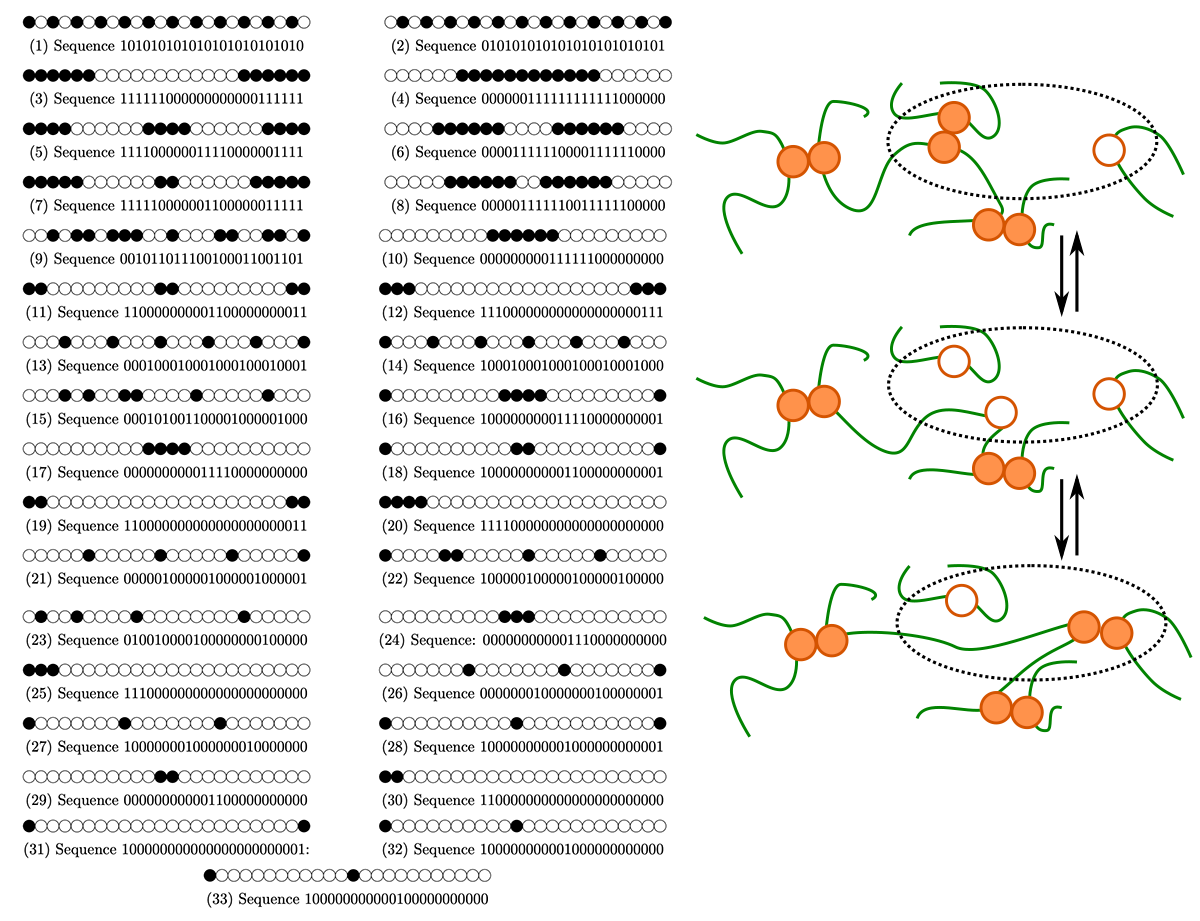
Protein chains are analysed according to the number of connections to other polymer chains and their positions along the chain. A node that is able to connect to other sequences is called a "sticker" and is represented by "1"; otherwise, the node is represented by "0", or an empty circle. How does the specific work to stretch a chain depend on the number of stickers and their positions in the presence of extensional flow? This interdisciplinary project is part of postdoctoral research on the self-assembly of silk protein.
London Weather
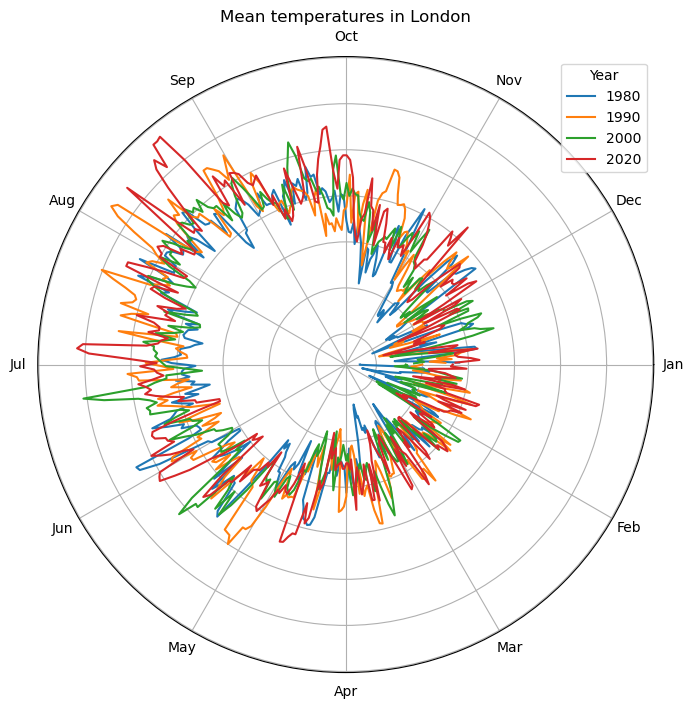
Living in Manchester, a city notorious for its wet and windy weather, I've developed an interest in understanding the dynamics of UK weather. I chose to focus on London due to the availability of detailed public data, using it as a case study of England's weather. This analysis attempts to make sense of the figures behind a frequent topic of local conversation: the weather.
Quantum Backflow
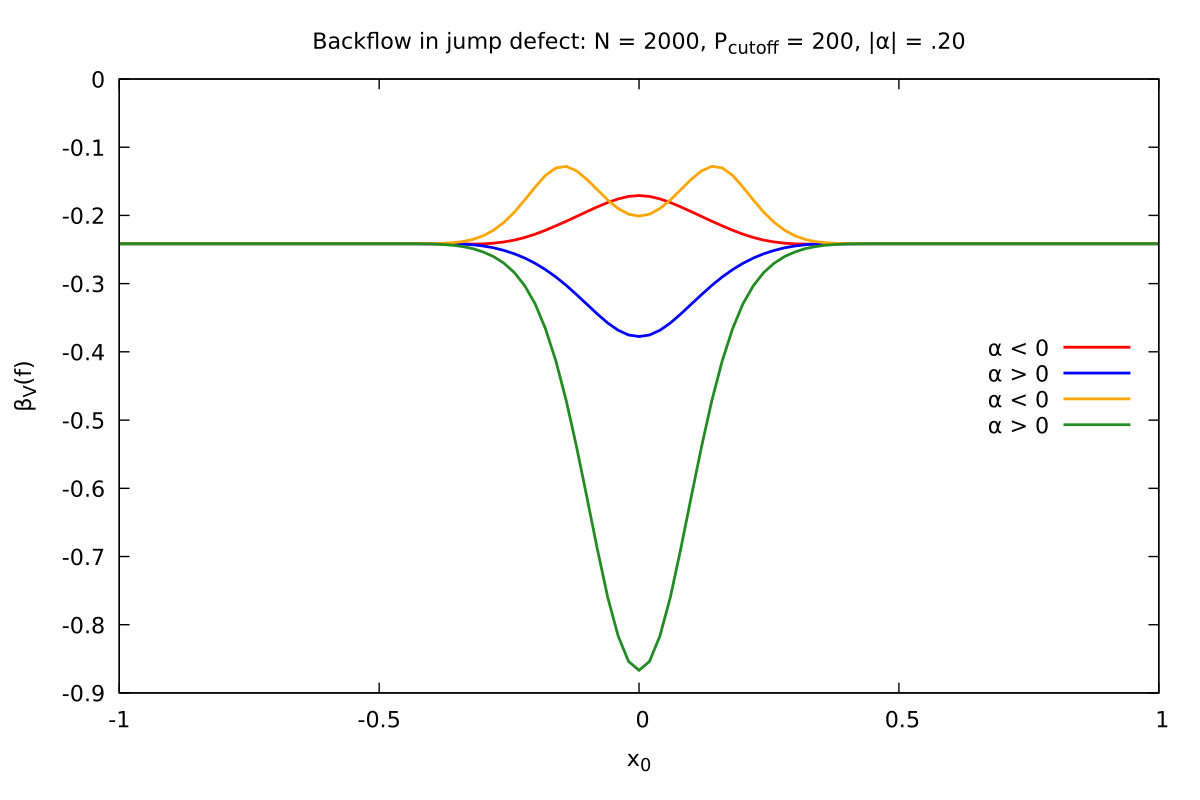
A quantum particle with strictly positive momentum can carry a negative probability current — flowing backwards, with no classical counterpart. How does backflow change in the presence of different defects, and in particular the jump defect? This was one of the questions I addressed in my doctoral thesis at the University of York.